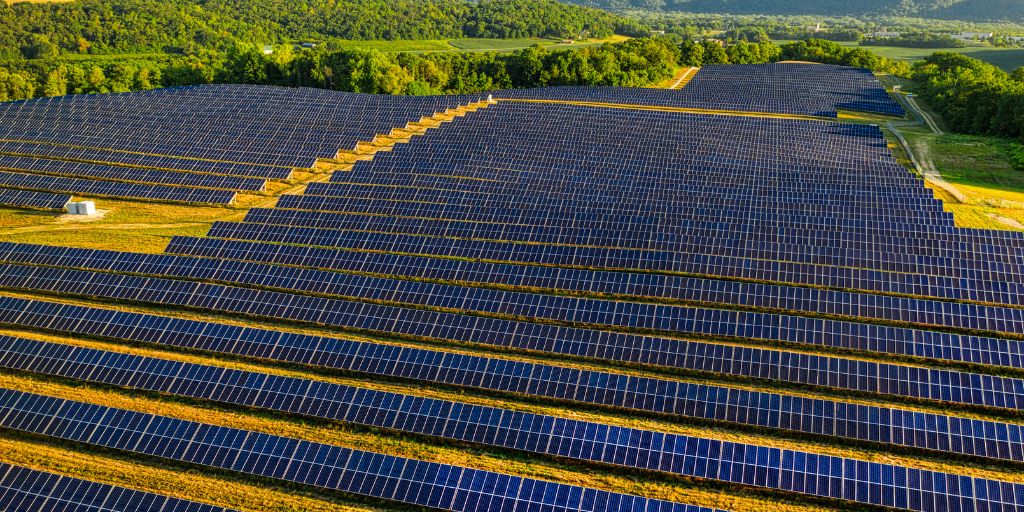
Solar Park Security has become a key priority for companies and operators in the energy sector. With the exponential growth of photovoltaic installations worldwide, protecting these critical assets is not only an operational necessity, but a strategic investment that ensures business continuity and maximizes ROI.

Why is security crucial in solar farms?
The solar energy sector has experienced unprecedented growth in recent years. This boom has led to the construction of increasingly large and complex photovoltaic installations, often located in remote areas that present unique security challenges.
The importance of security in these assets stems from several key factors. First, the high economic value of the installed equipment, which includes solar panels, inverters, transformers, and connection systems, which can represent millions of euros. Second, operational continuity is essential to guarantee energy production and meet contractual commitments. Finally, long-term investment protection requires preventive measures that minimize economic losses resulting from security incidents.
Main threats to security in solar farms
Physical risks
Physical risks constitute the main threat to solar farms. Equipment theft is particularly problematic, especially the theft of copper cables, which, due to their high value on the black market, have become a frequent target for criminals. The growing demand and high market value of copper make solar farms vulnerable to theft.
Vandalism also poses a significant threat, as it can cause irreparable damage to solar panels and other critical components. Solar plants are easy targets for all types of vandalism, theft, and sabotage, especially due to their remote location and the difficulty of constant supervision.
Technical Failures
Technical failures can seriously compromise the safety and operation of a solar farm. These include malfunctioning protection systems, failures in monitoring systems, breakdowns in critical equipment such as inverters and transformers, and problems with grid connection systems. Early detection of these failures is crucial to minimize the impact on energy production.
Natural Hazards
Natural hazards present unique challenges for the security of solar farms. Extreme weather conditions such as storms, hail, high winds, and extreme temperatures can cause significant damage to panels and structures. Fires are particularly dangerous, as they can spread rapidly and cause total losses across large areas of the facility.
How to Implement an Efficient Security System in Solar Parks
Risk Assessment
Risk assessment is the first fundamental step in designing an effective security system. This process should include:
An environmental analysis that considers the facility’s geographic location, access to the facility, proximity to urban centers, and terrain characteristics. The identification of specific threats based on local crime statistics, a history of similar incidents, and the facility’s particular vulnerabilities.
The valuation of critical assets should prioritize the most valuable and sensitive components, such as substations, control centers, and high-tech equipment. Finally, it is essential to conduct an impact analysis that assesses the economic and operational consequences of different types of incidents.

Advanced Protection Systems for Solar Parks
Video Surveillance Systems
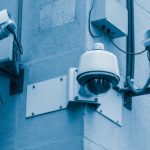
Modern video surveillance systems incorporate advanced technologies such as artificial intelligence-based video analysis that can distinguish between real intruders and false alarms caused by animals or weather conditions.
Microsegur, as a leader in photovoltaic perimeter security, offers customized solutions that include high-resolution cameras, cloud-based recording systems, and intelligent image analysis. Its eGuard systems provide autonomous video surveillance specifically designed for industrial and remote environments.
Access Control
Access control is essential for protecting the most sensitive areas of a solar park. Modern systems include biometric readers, encrypted access cards, and two-factor authentication systems. Vehicle access control using automatic barriers and license plate recognition systems adds an additional layer of security.
Solar Park Security Regulations
Spanish regulations for the protection of photovoltaic installations establish specific requirements that guarantee the safety of people, property, and the facilities themselves. Royal Decree 1955/2000 establishes guidelines for the transmission, distribution, and marketing of electricity generated by these types of installations, detailing the authorization procedures to ensure that each project meets the required technical and safety standards.
A key aspect is Ministry of the Interior Order 316/2011, of February 1, regarding the operation of alarm systems in the field of security. This regulation establishes that photovoltaic installations must be protected by Grade 2 alarm systems, intended for installations with low to medium risk.
Legal Obligations and Technical Requirements
Grade 2 alarm systems require verification methods such as sequential, video, audio, and personnel to confirm the authenticity of the alarms. Spanish regulations require compliance with specific technical standards:
UNE-EN 50131: Establishes the general requirements that intrusion alarm systems must meet, including the installation and performance of both the detectors and the communication systems.
UNE-EN 50136 Standard: Refers to the requirements for the secure and reliable transmission of alarm signals.
UNE-EN 50132 Standard: Establishes the requirements for video surveillance systems applicable in cases where they are used in conjunction with an alarm system.
Additionally, Spanish regulations require keeping a logbook detailing the alarms that have occurred, documenting both the incidents and the actions taken, as well as having at least two operators trained to properly manage alarms.

Practical Tips for Maintaining Long-Term Solar Park Security
Solar park security is not an optional expense, but a strategic investment that protects high-value assets and ensures operational continuity. Key elements for maintaining a secure solar park include a comprehensive risk assessment, the implementation of advanced security technologies, regulatory compliance, and ongoing preventative maintenance.
The combination of video surveillance systems, access control, remote monitoring, and trained personnel creates a robust shield of protection that minimizes risks and maximizes return on investment.
The security of your solar park is our priority. At Microsegur, we understand that each photovoltaic installation is unique and requires customized solutions. Our perimeter security experts are ready to design and implement the most appropriate protection system for your project. Contact us today for a free security assessment and discover how we can help you protect your solar energy investment with the most advanced technology on the market.