

In the industrial security and critical infrastructure sector, security system maintenance is a fundamental element in ensuring facility protection. Proper planning of these operations not only prevents critical failures but also optimizes the investment made in protection technology and ensures regulatory compliance. The different types of maintenance in security systems address the specific needs of each facility, from photovoltaic plants to railway infrastructure. Selecting the most appropriate approach requires understanding the operational characteristics, level of criticality, and resources available for each project.
Preventive Maintenance of Security Systems
Preventive maintenance represents the most established strategy. This methodology is based on the execution of scheduled interventions at predefined time intervals, regardless of the current status of the system components.
In video surveillance systems, preventive maintenance includes regular cleaning of camera lenses, verification of electrical connections, firmware updates, and sensor calibration. For laser perimeter detection systems, it includes alignment checking, cleaning of transmitters and receivers, and verification of configuration parameters.
The advantages of preventive maintenance lie in its operational predictability and ease of budget planning. However, it can be cost-inefficient, especially when applied across the board without considering the actual operating conditions of each component.
The frequency of preventive interventions should be determined by factors such as environmental conditions, system criticality, and manufacturer recommendations. In solar plants located in desert areas, for example, dust accumulation may require more frequent cleaning than in closed industrial environments.
Maintenance in Corrective Security Systems
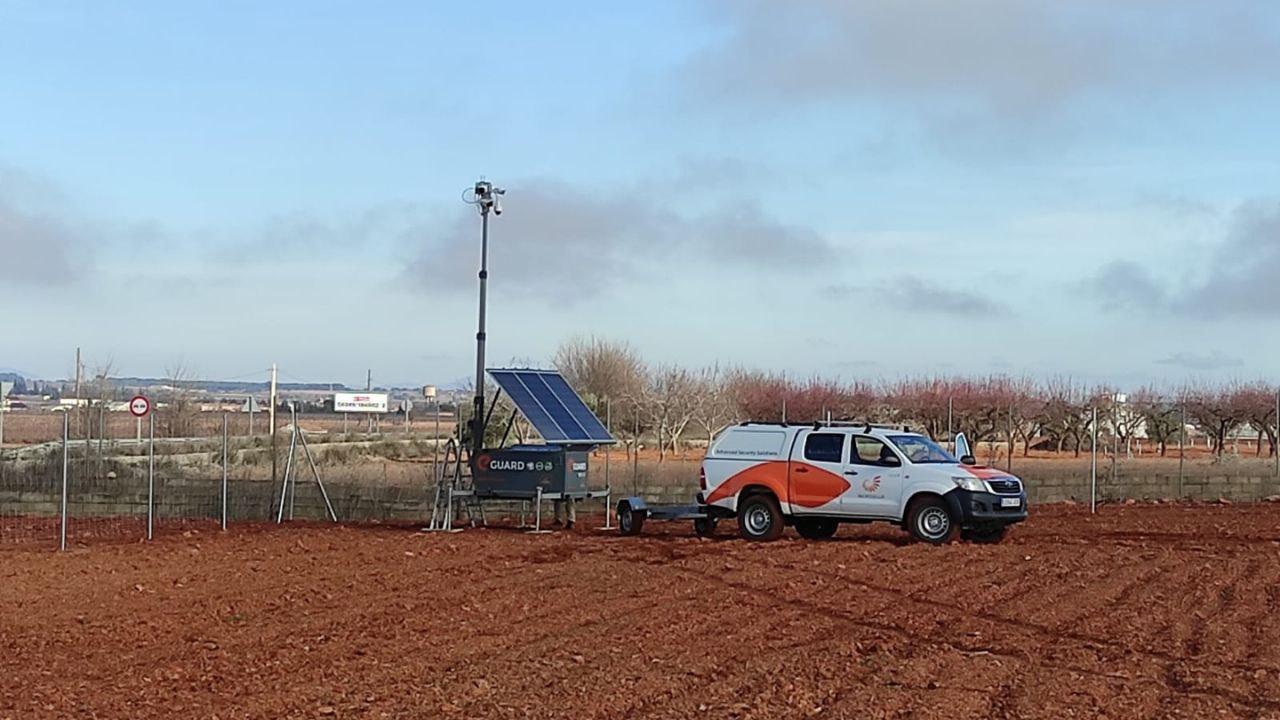
Corrective maintenance is only triggered after a system failure or malfunction is detected. This modality can be classified as scheduled corrective maintenance, when the anomaly is detected but repair is scheduled, and emergency corrective maintenance, which requires immediate intervention.
In the context of security systems, emergency corrective maintenance can create critical windows of vulnerability. A faulty thermal camera in an electrical substation, for example, can compromise intrusion detection for hours or days until it is repaired.
The costs associated with corrective maintenance are typically higher than other methods due to the need for urgent interventions, possible shutdown of critical systems, and potential escalation of damage. Furthermore, emergency repairs frequently require urgent spare parts and unscheduled technical personnel travel.
However, for non-critical systems or facilities with significant budget constraints, corrective maintenance can be economically viable, especially when combined with redundancy strategies that maintain operational continuity during repairs.
Predictive Maintenance in Security Systems
Predictive maintenance represents the most advanced technological evolution in security system management. This methodology uses continuous monitoring and data analysis techniques to predict failures before they occur, allowing interventions to be scheduled at the optimal time.
Enabling technologies include IoT sensors embedded in equipment, vibration analysis of PTZ camera motors, thermography to detect overheating in electrical systems, and analysis of network traffic patterns to identify connectivity degradation.
In complex systems, predictive maintenance can integrate artificial intelligence algorithms to analyze behavioral patterns. A perimeter detection system can, for example, identify gradual degradations in sensor sensitivity through statistical analysis of detections.
Implementing predictive maintenance requires a significant initial investment in sensors, monitoring systems, and technical training. However, the benefits include a drastic reduction in unscheduled failures, optimized component lifespan, and improved system availability.
Proactive Maintenance in Security Systems
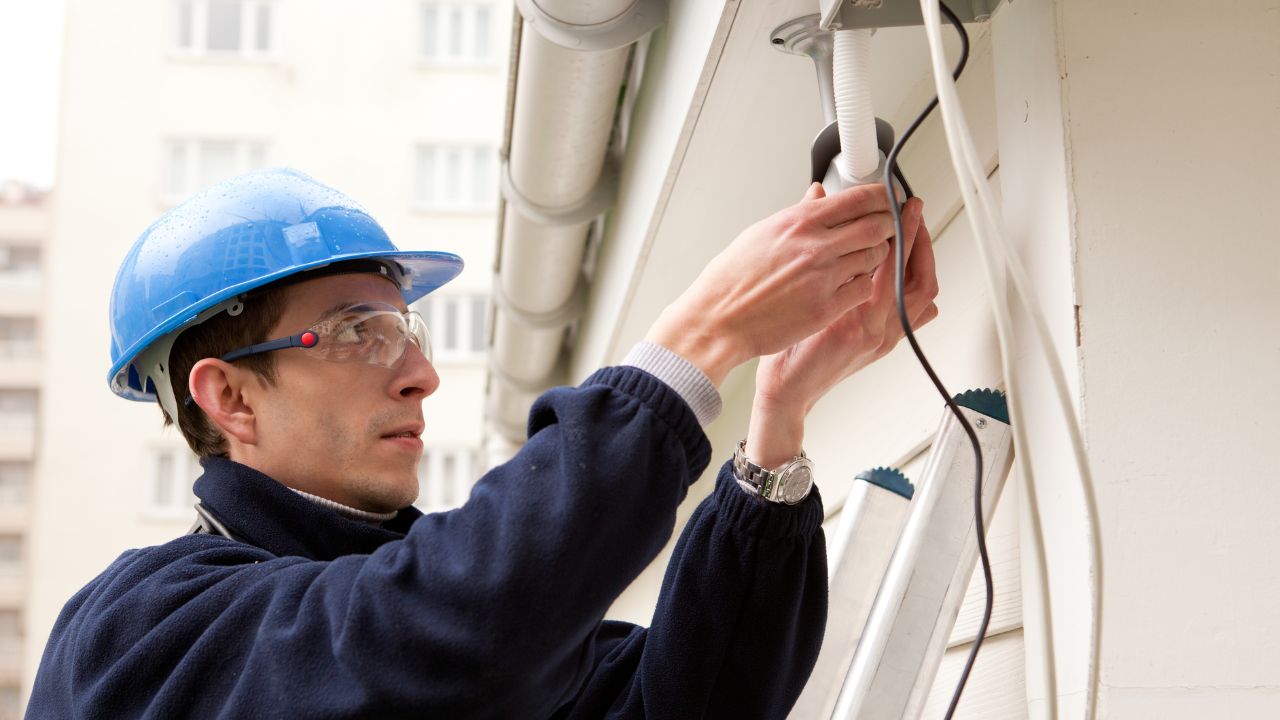
Proactive maintenance is the most strategic approach, focusing on eliminating the root causes that generate system degradation. Unlike other modalities that react to symptoms or predictions, proactive maintenance acts on the underlying causes. Environmental and operational factors that affect reliability.
In industrial environments, this involves monitoring factors such as power quality, environmental conditions, installing additional surge protection, and optimizing mounting conditions to minimize vibrations and exposure to corrosive agents.
For perimeter security systems in photovoltaic plants, proactive maintenance may include installing automatic lens cleaning systems, additional sandstorm protection, or improving the grounding system to reduce electromagnetic interference.
The philosophy of proactive maintenance requires a deep understanding of the failure modes specific to each technology and environment. Microsegur’s specialized technicians, with over 30 years of experience, develop customized protocols that consider the specific characteristics of each facility, from extreme weather conditions to the specific characteristics of the operating environment.
How to choose the right type of security system maintenance?
The selection of the optimal type of maintenance must be based on a comprehensive analysis that considers multiple technical, economic, and operational variables. The first determining factor is the criticality of the system: facilities that protect critical infrastructure or high-risk industrial processes generally justify predictive or proactive strategies.
The cost-benefit analysis must include not only direct maintenance costs but also the costs associated with failures, including lost production, damage to corporate reputation, and potential regulatory penalties. In power plants, for example, a failure in the perimeter security system can result in unscheduled shutdowns with costs that far exceed the investment in predictive maintenance.
The availability of technical resources is another crucial factor. Predictive maintenance requires personnel specialized in data analysis and advanced diagnostics, while preventive maintenance can be performed by conventional maintenance technicians. The training of the technical team must be aligned with the selected strategy.
The technological characteristics of the system also influence the decision. Legacy systems with analog components may not offer the monitoring capabilities necessary for predictive maintenance, while modern facilities with native IP architectures facilitate the implementation of advanced strategies.
For complex international projects, such as those developed by Microsegur on different continents, the maintenance strategy must consider additional factors such as the local availability of spare parts, regional technical capabilities, and regulatory differences between countries.

Common Mistakes When Applying Maintenance Types in Security Systems
One of the most common mistakes is the indiscriminate application of a single maintenance strategy to all system components. In reality, a complex installation can benefit from a hybrid approach: predictive maintenance for critical components such as central servers, preventive maintenance for field elements such as cameras, and corrective maintenance for low-cost redundant components.
Underestimating environmental conditions represents another critical error. Maintenance intervals defined for controlled environments may be insufficient in facilities exposed to extreme conditions. Photovoltaic plants in desert areas, for example, require much higher cleaning frequencies than facilities in temperate climates.
Many organizations make the mistake of not properly documenting maintenance interventions. The absence of historical records prevents the optimization of future strategies and hinders the analysis of failure patterns. Computerized maintenance management systems (CMMS) are essential tools for maintaining complete traceability.
A lack of coordination between safety maintenance and general facility maintenance can lead to operational disruptions. Scheduled shutdowns must be coordinated to minimize the impact on service continuity and optimize the use of technical resources.
Finally, the failure to update maintenance strategies as installed technology evolves can result in significant inefficiencies. The addition of new smart components or software updates can enable self-diagnostic capabilities that modify traditional maintenance requirements.
The correct selection and implementation of maintenance strategies requires specialized technical expertise and a deep understanding of the specifics of each facility. At Microsegur, we offer customized maintenance plans that combine different approaches based on the specific needs of each project, ensuring operational continuity and optimizing security investments.
For facilities that require maximum availability, our TURKANA alarm monitoring center provides 24/7 monitoring that complements predictive maintenance strategies, ensuring an immediate response to any detected anomalies.
If you’re looking to optimize the maintenance strategy for your security systems or need specialized technical advice, contact our team of experts to develop a solution tailored to your specific needs.