

A structured network cabling system constitutes the physical infrastructure that carries data, voice, and video signals throughout a building or facility. This network of cables, connectors, and active equipment forms the backbone of all modern business communications.
For companies that manage critical infrastructure such as industrial plants, data centers, or security facilities, proper cabling planning is not only a matter of efficiency, but also of operational continuity. Poor design can result in costly outages, loss of critical data, and vulnerabilities in security systems.
The importance of network design and planning lies in creating a flexible infrastructure capable of adapting to emerging technologies and business growth. Without proper planning, organizations face technical limitations that can compromise their ability to expand and modernize technologically.

What are Structured Cabling Plans?
Structured cabling plans are detailed technical documents that specify the location, type, and configuration of all components in the cabling network. These plans include information on cable routes, equipment placement, technical specifications, and installation standards.
The difference between plans and cabling design is that design is the conceptual planning process, while plans are the detailed graphical and technical representation of the system. Plans translate operational needs into precise technical specifications that installers can execute.
A complete plan includes elements such as network point distribution, telecommunications closet locations, horizontal and vertical cable routes, cable specifications (Cat 6, Cat 6A, fiber optic), and grounding and electrical protection details.
The Importance of Cabling Plans in Network Infrastructure
The impact on network performance and maintenance is significant when well-designed cabling plans are in place. These documents allow for rapid problem identification, facilitate modifications and expansions, and ensure that the installation meets the required technical standards.
Proper planning and long-term cost reduction are achieved by anticipating future connectivity needs. A well-designed plan avoids the need to redo installations, minimizes downtime during maintenance, and allows for more efficient management of network resources.
For critical security installations, such as those managed by Microsegur in solar plants or industrial centers, wiring plans are essential for integrating video surveillance, access control, and intrusion detection systems in a cohesive and efficient manner.

Benefits of Having Up-to-Date Structured Cabling Drawings
The benefits of network management and maintenance are immediately evident when up-to-date documentation is available. Technicians can quickly locate specific connections, identify available circuits, and plan modifications without disrupting critical services.
Reducing errors and downtime is achieved through accurate documentation of all connections. This is especially critical in industrial environments where a disruption can result in significant production losses or compromise personnel safety.
For integrated security systems, up-to-date drawings enable faster incident response and facilitate the integration of new technologies such as AI-based video analytics or thermal detection systems.
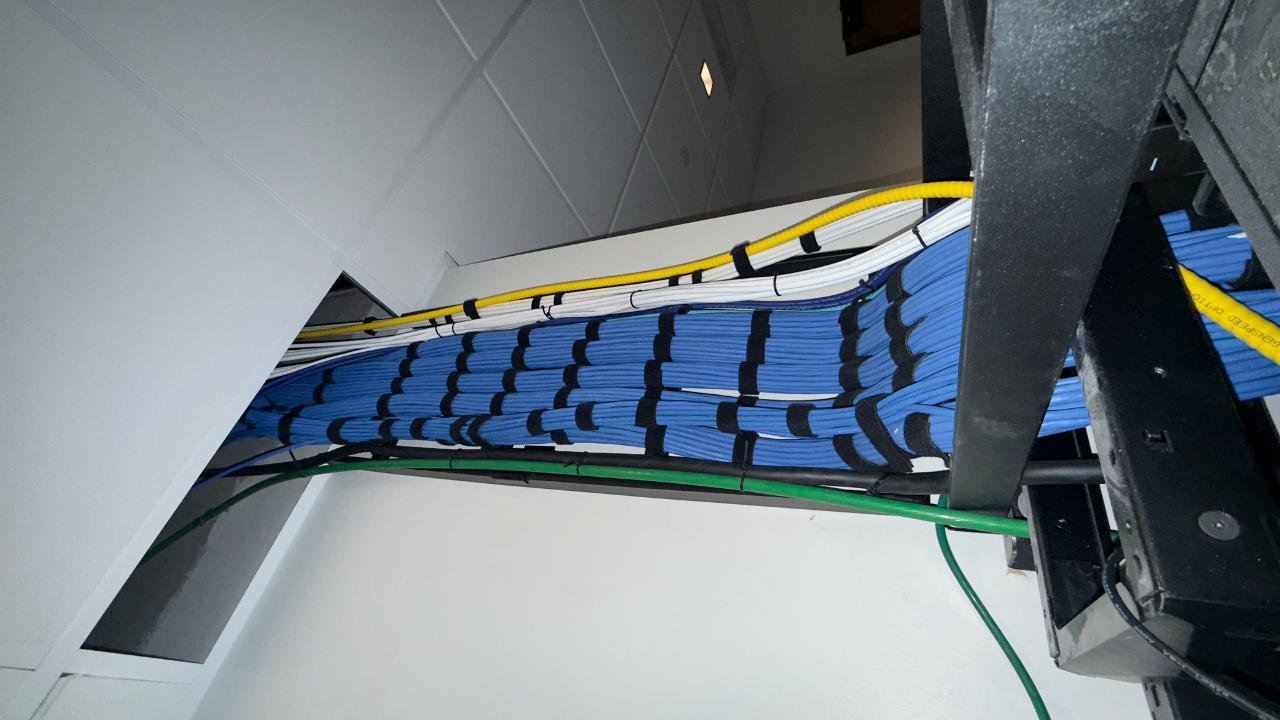
Tips for Optimizing Structured Cabling Plan Design
Considerations for future network growth should include anticipating a 30-50% increase in connectivity capacity. This means installing more network points than currently needed and properly sizing equipment spaces.
Optimizing for energy efficiency and speed involves selecting low-loss cables, minimizing transmission distances, and using efficient active equipment. Implementing Power over Ethernet (PoE) can simplify the installation of devices such as security cameras and wireless access points.
Planning should also consider integration with existing security systems, ensuring that data networks and video surveillance or access control systems can coexist without interference.
The importance of structured network cabling plans lies in their ability to transform a complex installation into an organized, efficient, and scalable system. These technical documents are the difference between a network that works and one that thrives in the long term.
Good design directly impacts network efficiency by optimizing performance, reducing operating costs, and facilitating the integration of new technologies. For organizations that manage critical infrastructure, investing in professional cabling plans is essential to maintain operational continuity and security.
Do you need to design or update structured cabling plans for your facility? At Microsegur, we have the experience in critical infrastructure and integrated security systems to help you create an efficient and reliable network. Contact us for a personalized consultation and discover how to optimize your telecommunications infrastructure.