
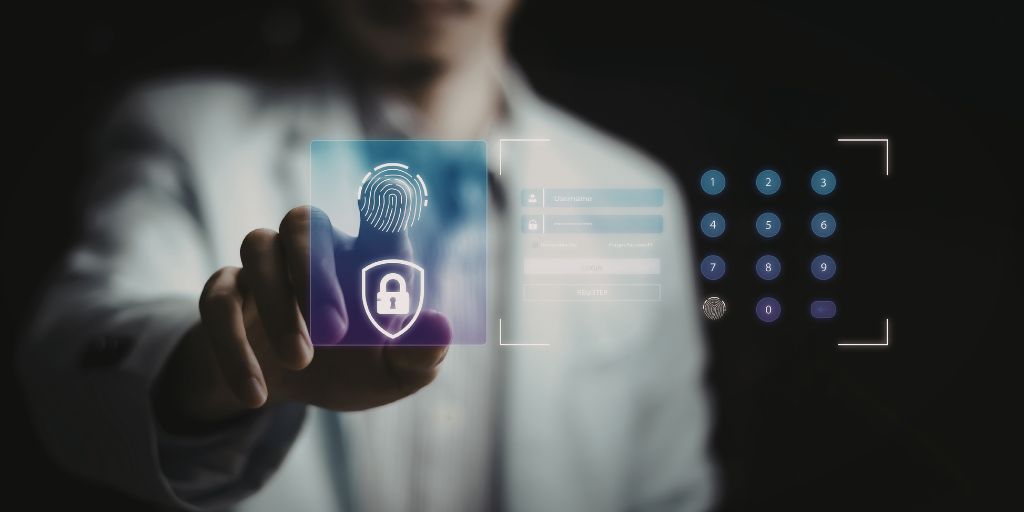
Industrial security can no longer rely solely on cameras and perimeter fencing. The new industrial security technologies are radically transforming the way plants, critical infrastructures and large facilities are protected. Understanding them in depth makes the difference between a reactive strategy and truly intelligent protection.
AI: the driving force behind new industrial security technologies
Artificial intelligence (AI) is, without doubt, the most disruptive technology in the sector. AI-based video analysis systems no longer simply record: they interpret what is happening. They detect intrusions, identify anomalous behaviour and generate real-time alerts, without the need for constant human intervention.
This represents an enormous qualitative shift. Where previously dozens of operators were needed to monitor multiple cameras, an AI-powered system now manages hundreds of simultaneous feeds, filters false alarms and prioritises real incidents. In large-scale industrial environments such as photovoltaic parks or refineries, this capability proves decisive.
Furthermore, the integration of AI with industrial process supervision platforms makes it possible to correlate security data with operational variables: temperature, pressure or personnel access. The result is a system that not only monitors, but genuinely understands the industrial environment in depth.
Industrial IoT and sensor hyperconnectivity
The Industrial Internet of Things (IIoT) has multiplied the number of data points available across any facility. Motion sensors, gas detectors, temperature measuring devices and infrared barriers now communicate over a network, continuously sending information to centralised platforms.
This hyperconnectivity drastically reduces incident detection times. In addition, the historical data generated by these sensors feeds predictive models that anticipate failures and vulnerabilities before they materialise. As a result, reactive maintenance gives way to predictive maintenance, with a direct impact on operational continuity.
However, more connected devices also means a larger attack surface. For this reason, the cybersecurity of OT (Operational Technology) systems has become a top priority. As established by the IEC 62443 standard — the global reference for cybersecurity in industrial automation and control systems — the convergence of IT and OT environments demands network segmentation policies, multi-factor authentication and continuous monitoring of industrial traffic. The ISA Global Cybersecurity Alliance emphasises that these measures are today essential in any critical infrastructure protection strategy.
Thermal cameras and advanced perimeter detection
Thermal cameras have evolved considerably in recent years. They are no longer equipment reserved for military applications: they are now routinely deployed in industrial plants, energy facilities and ATEX environments. Their ability to detect targets through temperature differences, regardless of lighting or visibility conditions, makes them an indispensable tool for hard-to-access perimeters or those subject to adverse weather conditions.
The combination of thermography with intelligent video analysis significantly raises the level of detection. The system not only identifies the presence of an intruder: it assesses the threat, dismisses false alarms caused by wildlife and generates an automatic response proportional to the risk. In critical facilities, this translates directly into significantly faster reaction times.
New industrial security technologies: autonomous and mobile surveillance
Fixed surveillance no longer meets all operational needs. Today’s complex security systems integrate patrol drones, autonomous robots and mobile video surveillance poles with independent power and communications.
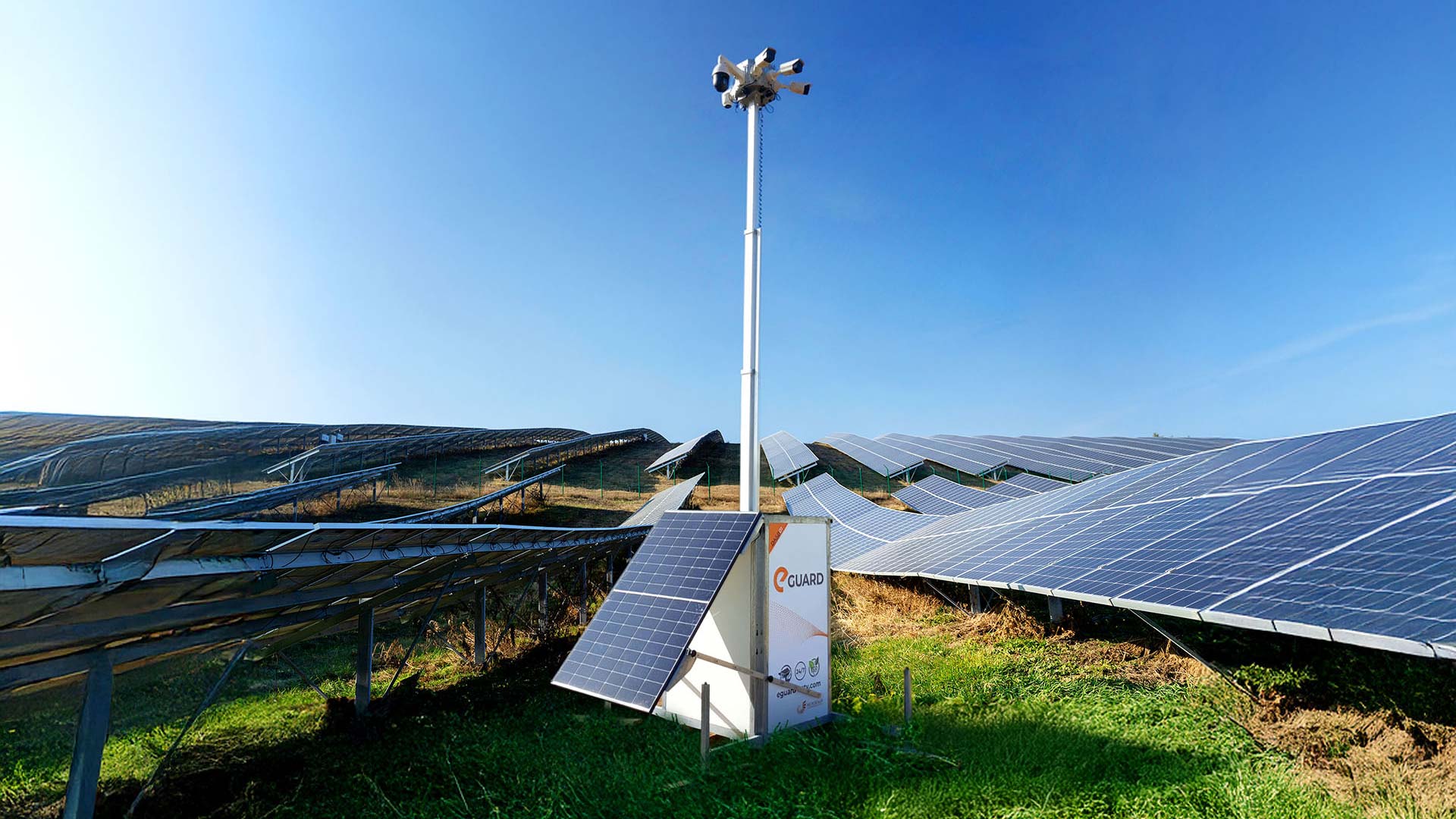
The latter are particularly useful in locations without fixed infrastructure: early-stage construction sites, remote areas or temporary industrial events. An autonomous CCTV pole such as Microsegur’s eGuard incorporates 4G/5G connectivity, solar power and the ability to integrate thermal cameras, sensors and public address systems. It is a complete surveillance solution deployable within a few hours, with no dependence on the electricity grid or permanent cabling.
Patrol drones, for their part, add an unmatched layer of flexibility. They cover large areas in minutes, access hard-to-reach zones and transmit live footage directly to the alarm receiving centre for immediate verification.
Advanced biometrics and intelligent access control
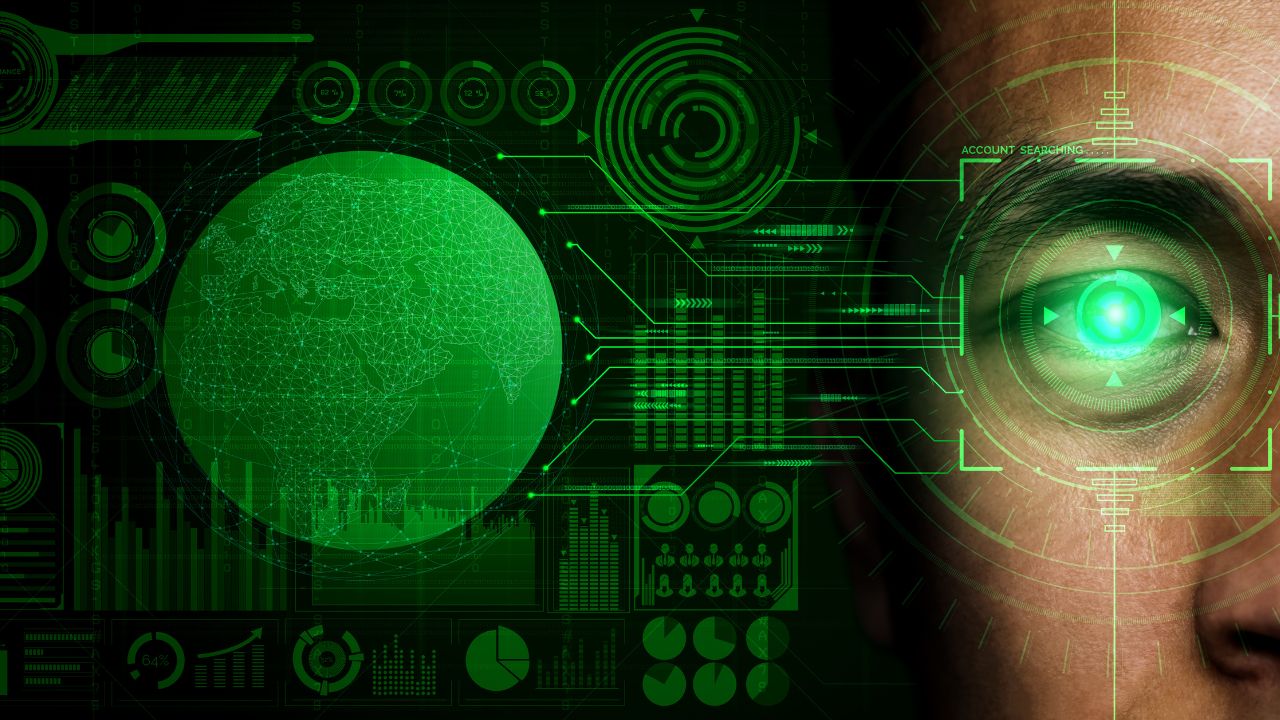
Access control has taken a remarkable technological leap. Facial recognition, fingerprint authentication and iris recognition offer far superior levels of accuracy compared to conventional RFID cards. Furthermore, modern systems incorporate personal protective equipment (PPE) verification, something particularly relevant in environments with high occupational safety requirements.
Multimodal biometrics, which combines several identification factors simultaneously, reduces the possibility of fraudulent access to near zero. In critical facilities such as chemical plants or industrial data centres, this additional verification layer is already a de facto standard.
Digital twins for risk management
Digital twin technology makes it possible to virtually replicate an industrial facility in order to simulate risk scenarios, plan emergency responses and evaluate security system coverage prior to physical deployment. It is a particularly valuable planning tool in complex environments, where errors have critical consequences and the costs of trial and error are unacceptable.
Its integration with SCADA platforms and physical security management systems (PSIM) also enables continuous updating of the virtual model, reflecting operational changes in real time and anticipating new vulnerabilities as the facility evolves.
Adopting new industrial security technologies requires far more than acquiring state-of-the-art equipment: it demands a comprehensive, personalised strategy backed by specialist engineering. At Microsegur we have spent over 30 years designing solutions tailored to the most demanding environments in the sector. If you would like to explore how these technologies can protect your facility, contact our team and obtain a bespoke consultancy with no obligation.