Energy storage systems are critical infrastructure requiring comprehensive perimeter protection. These facilities store lithium batteries, flywheels, or thermal systems that can pose significant risks without professional security. The physical and electronic security of these assets is fundamental to ensuring operability, regulatory compliance, and personnel protection. This article addresses the essential requirements for adequately protecting these facilities.
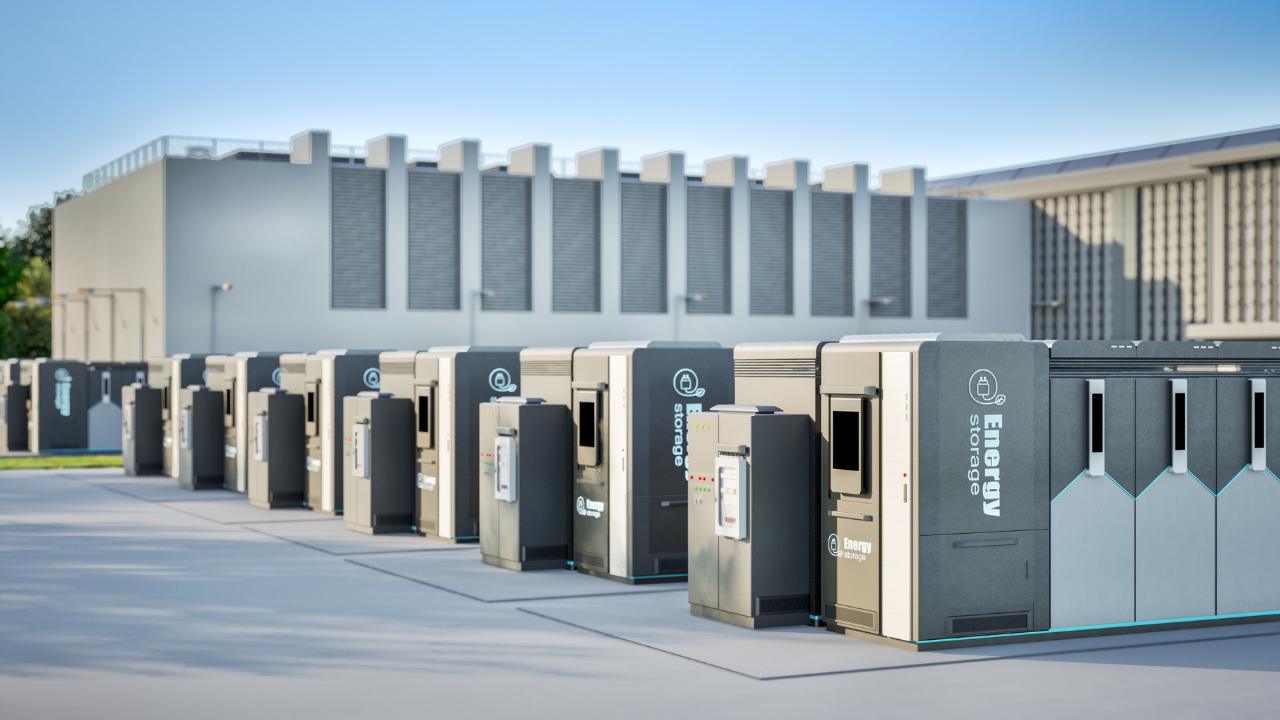
Specific Risks in Energy Storage Systems
Energy storage facilities face unique threats that demand specialized solutions. Lithium battery systems can experience exothermic reactions if damaged or sabotaged. Unauthorized access to control areas represents a critical operational risk. Furthermore, these assets attract criminal interest due to their high market value.
Physical vulnerability requires secured perimeters with certified fencing and detection systems. Access points need strict control through turnstiles or security airlocks. Operating areas must be constantly monitored to detect technical anomalies or intrusion attempts.
Legal and Regulatory Framework
Royal Decree 244/2019 establishes specific safety requirements for energy storage facilities. The regulation mandates continuous monitoring systems that detect failures in critical components. Thermal power plants must comply with ATEX certifications if they process flammable fluids.
The Network and Information Security Directive (NIS2) requires the implementation of cryptographic measures in SCADA systems connected to energy storage. Operators must maintain audited physical access logs for a minimum of three years. The integration of energy storage systems into electrical grids requires compliance with cybersecurity standards established by the CNMC (National Commission on Markets and Competition).
Surveillance Solutions for Energy Facilities
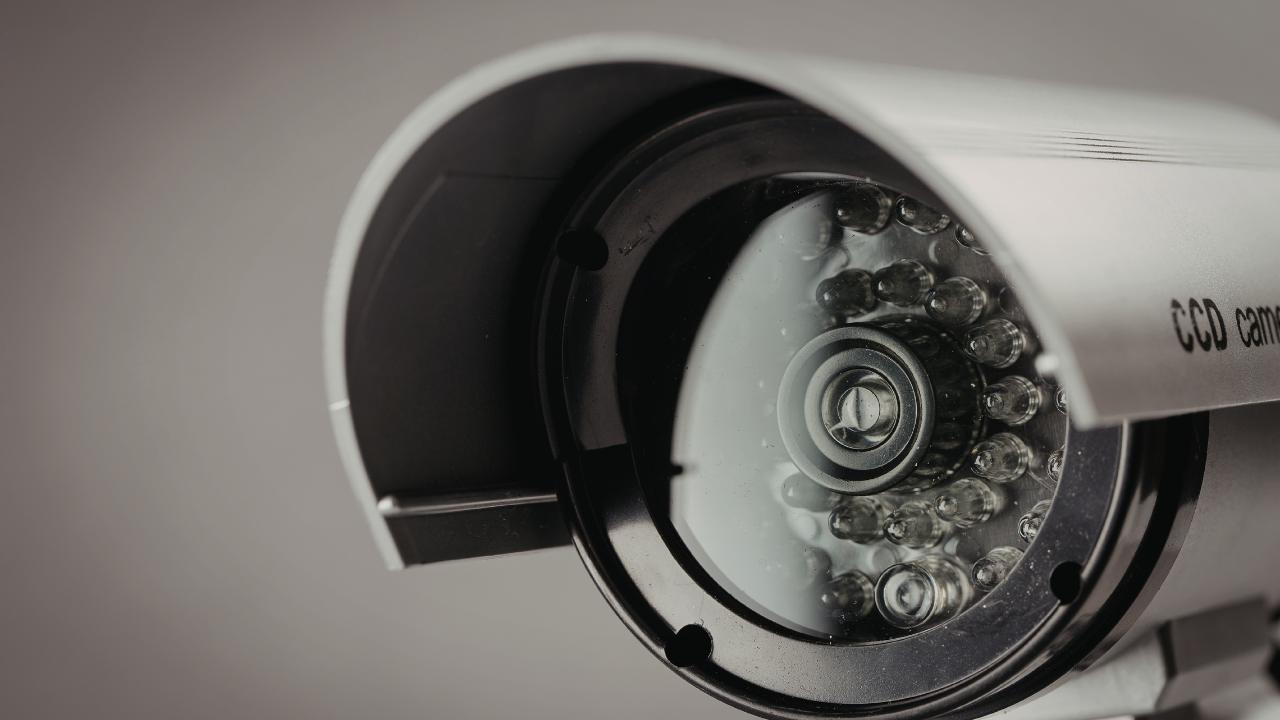
Video surveillance must provide comprehensive coverage of perimeters, access points, and critical risk areas. Thermal imaging cameras are particularly valuable in battery storage facilities, allowing the detection of anomalous temperature increases that precede hazardous events.
Systems must be integrated with intelligent video analytics that identifies suspicious behavior: prolonged approaches to fences, tampering with components, or gatherings of people in restricted areas. The eGuard solution provides mobile and autonomous surveillance, particularly useful in early-stage installations or remote locations, guaranteeing 24/7 connectivity to the central alarm receiving station.
Advanced Sensory Detection Systems
Beyond cameras, perimeter sensors are essential. Seismic detectors identify attempts to breach fences. Motion sensors with dual-technology (microwave and passive infrared) minimize false alarms while detecting intrusions.
In fire-prone areas, modern detection systems can identify ignition sources before they develop into visible flames. Humidity and pressure monitoring in sealed enclosures detects unauthorized tampering. Integrating these sensors into centralized SCADA platforms facilitates a coordinated response to incidents.
Redundancy and Operational Continuity
Energy storage systems require a secure infrastructure that guarantees continued operation even in the event of failures. Video surveillance systems must have a backup power supply provided by uninterruptible power supplies (UPS) with sufficient capacity. This prevents power outages from leaving the facilities unprotected.
Security cameras must remain operational during power outages, a critical aspect in plants where the stored energy itself is the protected asset. Video storage servers must implement distributed storage that guarantees the retention of recordings in the event of individual hardware failures.
Monitoring and Incident Response
A secure energy storage facility requires a 24/7 operational alarm receiving center (ARC) with precise response protocols. Operators must receive specialized training on alarm types: perimeter intrusions, unauthorized access, thermal anomalies, and system failures.
Microsegur’s CRA-Turkana platform provides centralized multisite alarm management with intelligent verification, reducing false alarms and accelerating resource dispatch. Coordination with local authorities through response agreements ensures rapid intervention in the event of confirmed threats.
Preventive maintenance and audits
Security in energy storage systems is dynamic, not static. Components degrade, threats evolve, and regulations are updated. Customized review plans should include at least quarterly perimeter integrity inspections, functional testing of detectors, and firmware updates on network devices.
Annual security audits assess system coverage, identify blind spots in surveillance, and validate regulatory compliance. Documenting these reviews provides evidence of due diligence for regulators and insurers.
Protecting energy storage infrastructure demands a comprehensive approach that combines advanced surveillance, sensor detection, operational redundancy, and coordinated response. Microsegur provides specialized solutions that meet the technical and regulatory requirements of these critical facilities. Contact our team to assess your specific infrastructure needs and design a customized security plan.