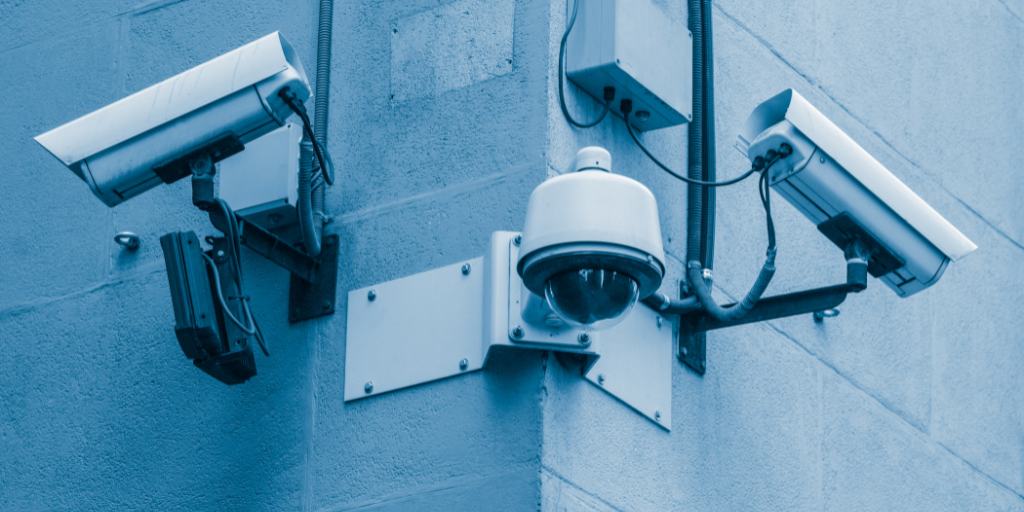
Perimeter security in a company is not simply about installing cameras or sensors around a building. It’s about designing a comprehensive strategy that protects critical assets, minimizes operational risks, and ensures business continuity in the face of any external threat. In a business context where losses from intrusions can reach millions, having a well-protected perimeter makes the difference between a secure operation and an economic disaster.
Unlike the basic concepts of what perimeter security is, this article focuses on how to implement, manage, and optimize these systems from a practical business perspective. Because knowing the theory is fundamental, but knowing how to execute it correctly is what protects your business.
Initial Assessment: Corporate Vulnerability Diagnosis
Before investing in any perimeter security system, companies must conduct a thorough risk analysis. This process identifies specific weaknesses based on the sector, location, and operational characteristics of each organization.
The determining factors include the type of facility (industrial building, offices, logistics warehouse), the criticality of the assets to be protected (specialized machinery, sensitive data, high-value merchandise), and the surrounding physical environment. For example, a chemical plant requires different considerations than a corporate data center.
Strategic Perimeter Design According to Business Type
Not all companies need the same level of perimeter protection. The scalability and modularity of the design allow the solution to be adapted to real needs without unnecessary additional costs.
Industrial companies require robust systems capable of covering large areas, integrating physical barriers with advanced electronic detection. In these cases, thermal security cameras are especially effective for monitoring extensive perimeters during nighttime or adverse weather conditions.
Meanwhile, corporate facilities (offices, headquarters) prioritize discreet integration with the existing architecture. Here, intelligent video surveillance systems with behavioral analysis offer greater value than visible physical barriers.
Critical infrastructure (energy, telecommunications, water) demands the highest levels of perimeter security. These facilities combine multiple layers of protection with immediate response protocols for any incident.
Essential Technologies for Enterprise Perimeter Security
Technological advancements have radically transformed perimeter security systems. Currently, artificial intelligence allows for a reduction of up to 90% in false alarms, according to studies in the electronic security sector, significantly optimizing operational resources.
Video analytics systems detect anomalous behavior in real time, differentiating between real threats and harmless movements (animals, vegetation). This capability is fundamental for maintaining operational efficiency without overwhelming security personnel.
The integration of multispectral sensors (microwave, passive infrared, microphone cable) creates redundant detection layers. When one sensor triggers an alarm, others validate the threat before initiating response protocols, minimizing unnecessary reactions.
Furthermore, 4G/5G connectivity enables the deployment of mobile solutions like the eGuard system in temporary or remote locations where fixed infrastructure is impractical. This flexibility significantly expands the possibilities for enterprise security.
Integration with Existing Corporate Ecosystems
One of the greatest advantages of modern perimeter security systems lies in their ability to integrate with pre-existing enterprise platforms. Connecting the perimeter with ERP systems, Building Management Systems (BMS), or access management platforms generates invaluable operational synergies.
For example, when a perimeter sensor detects an intrusion, the system can automatically block internal access points, activate deterrent lighting, alert security personnel, and begin recording on specific cameras. All of this occurs in a matter of seconds, without human intervention.
Centralizing alerts on a single management platform allows the security manager to view the complete status of the perimeter in real time from any location. This capability is especially valuable for companies with multiple geographically dispersed sites.
Regulations and Compliance in Corporate Perimeter Security
Regulatory compliance is a fundamental aspect that many companies underestimate during implementation. The Spanish Organic Law on Data Protection (LOPD) imposes strict requirements on how video surveillance images are captured, stored, and managed.
Companies must ensure that their systems comply with the principle of proportionality, recording only the areas strictly necessary for security purposes. Furthermore, proper signage of video-monitored areas is a mandatory legal requirement.
For regulated sectors (energy, chemical, pharmaceutical), there are additional specific regulations. Compliance with certifications such as ISO 27001 for information security management may require specific, documented, and auditable perimeter measures.
Cost-benefit analysis: justifying the investment
Business executives need to understand the return on investment (ROI) of a perimeter security system before approving significant budgets. Beyond the initial implementation cost, multiple economic factors must be considered.
The reduction of losses due to theft, vandalism, or sabotage represents the most obvious benefit. However, there are additional, less visible but equally valuable advantages: lower insurance premiums, reduced costs for physical security personnel, and minimized operational disruptions.
A study conducted by the Professional Association of Private Security Services Companies (APROSER) reveals that companies with advanced perimeter systems experience a 65% reduction in security incidents during the first 18 months after implementation.
Furthermore, the scalability of modern systems allows for phased investments. Companies can begin by protecting critical areas and gradually expand coverage according to their needs and available budget.
Common Mistakes in Enterprise Implementation
Despite technological advancements, many companies make avoidable mistakes during the implementation of their perimeter security. Identifying these errors is crucial for optimizing investment.
Oversizing is one of the most common problems. Installing technology that is too sophisticated for actual needs generates unnecessary acquisition and maintenance costs. Conversely, undersizing leaves critical vulnerabilities without adequate protection.
Another frequent mistake is ignoring the human factor. The most advanced technology is useless without properly trained personnel to interpret it and respond correctly to alerts. Ongoing training for the security team should be considered an integral part of the system.
Lack of preventive maintenance progressively degrades the effectiveness of any installation. Uncalibrated sensors, dirty cameras, or outdated software seriously compromise detection capabilities. Establishing regular maintenance protocols is essential.
Continuous System Maintenance and Optimization
Perimeter security in a company doesn’t end with the initial installation. It requires constant monitoring and optimization to maintain its effectiveness over time. Systems evolve, threats change, and business needs transform.
Preventive maintenance protocols should include periodic physical inspections, firmware updates, equipment cleaning, and sensor calibration. These actions ensure optimal operation and prevent critical failures at crucial moments.
Furthermore, analyzing historical data allows for the identification of threat patterns, optimization of configurations, and reduction of false alarms. This operational intelligence transforms the reactive system into a proactive risk management tool.
Companies that implement continuous improvement programs based on concrete metrics (response time, detection rate, false alarms) significantly optimize their operational efficiency in security.
Future Trends in Corporate Perimeter Protection
The future of corporate perimeter security points toward hyperconnectivity and advanced artificial intelligence. Predictive systems, capable of anticipating threats before they materialize, will become widespread in corporate facilities.
Integration with autonomous surveillance drones will provide rapid response capabilities to incidents detected across large perimeters. These mobile units will complement fixed systems, offering unprecedented operational flexibility.
Furthermore, blockchain will begin to be used to guarantee the integrity of security recordings, creating immutable records valuable for investigations and legal proceedings.
Do you need to protect your company with advanced technology?
If you are looking to implement or improve your company’s perimeter security with solutions tailored to your specific needs, our team of experts can help you design the optimal system. Contact Microsegur and learn how to effectively protect your corporate assets with over 30 years of experience backing us up.