
In a world increasingly committed to clean energy, photovoltaic installations have experienced exponential growth in both domestic and industrial settings. However, installing solar panels is only the first step toward energy efficiency. Photovoltaic monitoring makes the difference between simply having a solar system and having a truly efficient and cost-effective installation. This technology allows you to monitor the performance of your solar installation in real time, detect anomalies, and optimize energy production.
What is photovoltaic monitoring and why is it key for your installation?
Photovoltaic monitoring is a set of technologies and services that allow you to monitor, record, and analyze the operation of a solar installation in real time. This system collects crucial data such as energy production, component status, environmental conditions, and energy consumption, providing a complete overview of the installation’s performance.
This constant monitoring is essential for several reasons:
- Optimal performance: It allows you to verify that the installation generates the expected energy based on the available solar conditions.
- Early detection: It identifies failures or inefficiencies before they cause significant losses.
- Preventive maintenance: It facilitates the planning of technical interventions before serious problems arise.
- Profitability: It guarantees the maximum return on investment by keeping the installation operating at its optimal capacity.
- Long lifespan: A well-monitored and maintained system can significantly extend its lifespan.
Without an adequate monitoring system, you could be losing significant percentages of energy production without even realizing it, making this technology not a luxury, but a necessity for any solar installation.
Differences between local and remote monitoring
There are two main approaches to photovoltaic monitoring, each with distinct characteristics that adapt to different needs:
Local Monitoring
- How it Works: Data is stored and displayed on devices physically located at the facility.
- Access: Requires physical presence to view information.
- Connectivity: Works independently, without the need for an internet connection.
- Ideal Application: Small home installations or locations with limited connectivity.
- Limitations: Does not allow remote monitoring or real-time remote alerts.
Remote Monitoring
- How it Works: Data is transmitted to cloud servers where it is processed and displayed.
- Access: Allows information to be viewed from anywhere using mobile applications or web platforms.
- Connectivity: Requires an internet connection for data transmission.
- Ideal Application: Facilities of any size where constant monitoring without physical presence is required.
- Advantages: Facilitates real-time alerts, advanced analytics, and remote control of certain parameters.
Microsegur offers hybrid solutions that combine the advantages of both systems, ensuring that critical data is always available locally while taking advantage of the advanced capabilities of remote monitoring.
Main benefits of monitoring your photovoltaic system
Implementing a professional photovoltaic monitoring system provides substantial advantages that fully justify the investment:
- Energy performance optimization: Identifies production patterns and factors affecting performance, allowing adjustments to maximize generation.
- Operating cost reduction: Minimizes unnecessary technical visits and allows for efficient maintenance planning.
- Early detection of anomalies: Identifies deviations from normal operation before they become costly breakdowns.
- Return on investment verification: Provides concrete data on the installation’s financial savings and amortization.
- Smart consumption management: Allows consumption habits to be adapted to production patterns to maximize self-consumption.
- Protection against theft and vandalism: Some systems can detect disconnections or suspicious tampering.
- Automated technical documentation: Generates periodic reports useful for guarantees, subsidies, or energy certifications.
A recent study showed that properly monitored installations increase their efficiency by 10-25% compared to similar systems without professional supervision.
Devices and Tools for Solar Monitoring
A complete photovoltaic monitoring system integrates several components that work together:
Specialized Hardware
- Dataloggers: Devices that collect and transmit data from inverters and other system components.
- Environmental Sensors: Measure solar radiation, temperature, wind, and other factors that affect performance.
- Energy Meters: Accurately quantify energy production and consumption.
- Video Surveillance Cameras: Provide real-time visual monitoring of facilities, protecting against theft and vandalism and allowing remote verification of the physical status of panels and equipment (detecting dirt, damage, or unexpected shading).
Software and Platforms
- Mobile Apps: Allow basic data to be viewed and alerts to be received from anywhere.
- Web Platforms: Offer detailed analysis, comparative graphs, and advanced features.
- Artificial Intelligence Systems: Analyze patterns and predict potential problems or maintenance needs.
How to Interpret Your Photovoltaic System Data
Monitoring generates a significant amount of information that, when properly interpreted, becomes a powerful tool for decision-making:
Key Parameters to Analyze
- Daily, monthly, and annual production: Allows you to identify trends and compare them with expected values.
- Power Curves: Show system behavior throughout the day and help detect anomalies.
- Performance Ratio (PR): Indicates the overall efficiency of the system by comparing actual production with theoretical production.
- Alerts and Events: Indicate specific incidents that require attention.
- Environmental Factors: Help contextualize performance based on weather conditions.
Effective Interpretation
To make the most of this data, it is necessary to have:
- Customized dashboards that prioritize the most relevant information according to the type of installation.
- Periodic automatic reports with comparative analysis and recommendations.
- Visualization tools that transform complex data into intuitive graphics.
- Expert advice to interpret deviations and optimize the system.
The key is to transform technical data into actionable information that allows for informed decisions about the maintenance and operation of the photovoltaic system.
Photovoltaic Monitoring in Industrial Facilities
Monitoring needs vary considerably depending on the scale and purpose of the facility:
Industrial Environment
In commercial or industrial facilities, monitoring requires:
- Detailed analysis of advanced technical parameters.
- Integration with corporate energy management systems.
- Sector-specific monitoring to identify problem areas in large facilities.
- Predictive tools for maintenance planning.
- Customized reports for different departments (finance, technical, management).
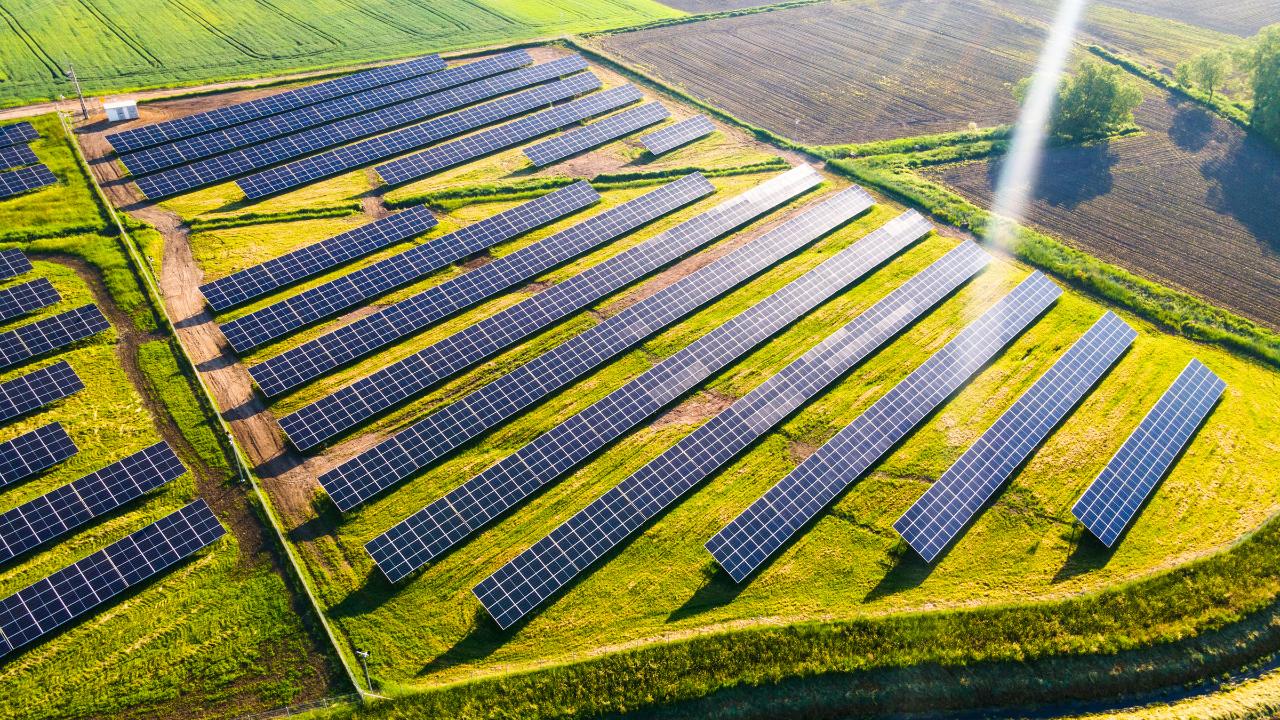
In these cases, it is necessary to look for scalable solutions that can monitor everything from small commercial facilities to large solar plants, always with the appropriate level of detail for each user profile.
Common Mistakes When Monitoring a Solar System and How to Avoid Them
Improper implementation of photovoltaic monitoring systems can lead to significant problems:
Frequent Errors
- Undermonitoring: Monitoring only basic parameters, ignoring critical variables such as temperature or power quality.
- Excess data without analysis: Collecting information without the ability to interpret it or translate it into concrete actions.
- Incorrect calibration: Poorly adjusted sensors provide inaccurate readings, leading to erroneous decisions.
- Lack of maintenance of the monitoring system itself: Neglecting to update and service the monitoring system.
- Unstable connectivity: Intermittent communication losses create gaps in historical data.
Best practices recommended by Microsegur
- Design the monitoring system from the ground up, in conjunction with the photovoltaic installation.
- Establish customized alerts based on specific thresholds for each installation.
- Conduct periodic reviews of the monitoring system to ensure its accuracy.
- Keep the software and firmware of all components up to date.
- Implement redundancy in critical systems to avoid data loss.
A professional approach avoids these common errors and ensures that monitoring achieves its primary objective: maximizing the performance and lifespan of the solar installation.
How to Choose the Best Monitoring System for Your Installation
Selecting the right photovoltaic monitoring solution requires considering several factors:
Key Selection Criteria
- Scalability: Ability to grow with the installation or adapt to future expansions.
- Integrability: Compatibility with existing and future installation components.
- Analytical Depth: Level of data detail and analysis capabilities based on specific needs.
- Accessibility: Ease of use based on the technical profile of the primary users.
- Technical Support: Availability of specialized assistance to resolve issues.
Recommended Selection Process
- Initial Assessment: Analyze the specific characteristics of the installation and define clear objectives.
- Specialized Consultation: Obtain expert advice to identify real needs.
- Technical Comparison: Evaluate different options, considering functionality and not just costs.
- Future Projection: Anticipate future needs to avoid systems that quickly become obsolete.
- Gradual Implementation: In complex installations, consider a phased implementation to validate results.

Photovoltaic monitoring has evolved to become an integral part of any modern solar installation. Beyond simple monitoring, it represents a strategic investment that maximizes performance, extends the lifespan of components, and ensures the safety of the installation.
Specialized services in this field offer not only the necessary technology but also the expert knowledge to interpret the data and translate it into concrete actions that optimize every aspect of the photovoltaic system. In an industry where efficiency makes the difference between a good and an excellent installation, having a professional monitoring system is not an additional expense but a guarantee of long-term profitability.
Solar energy is an investment in the future; photovoltaic monitoring is the guarantee that this investment will reach its full potential.