
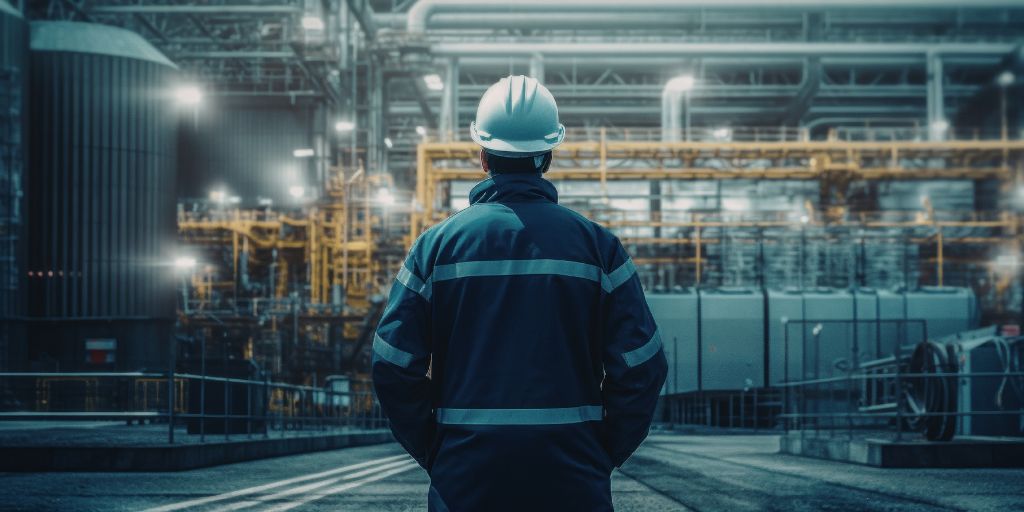
The evolution of technology in industrial security has fundamentally transformed how organizations protect their critical infrastructure, assets, and personnel. In complex industrial environments, from processing plants to energy parks, the implementation of advanced technological solutions has become an imperative. Companies that fail to adapt their security systems to the latest technologies risk becoming vulnerable to increasingly sophisticated threats. The question many managers are asking themselves is not whether to invest in security technology, but how to choose the solutions that best suit their operational needs.
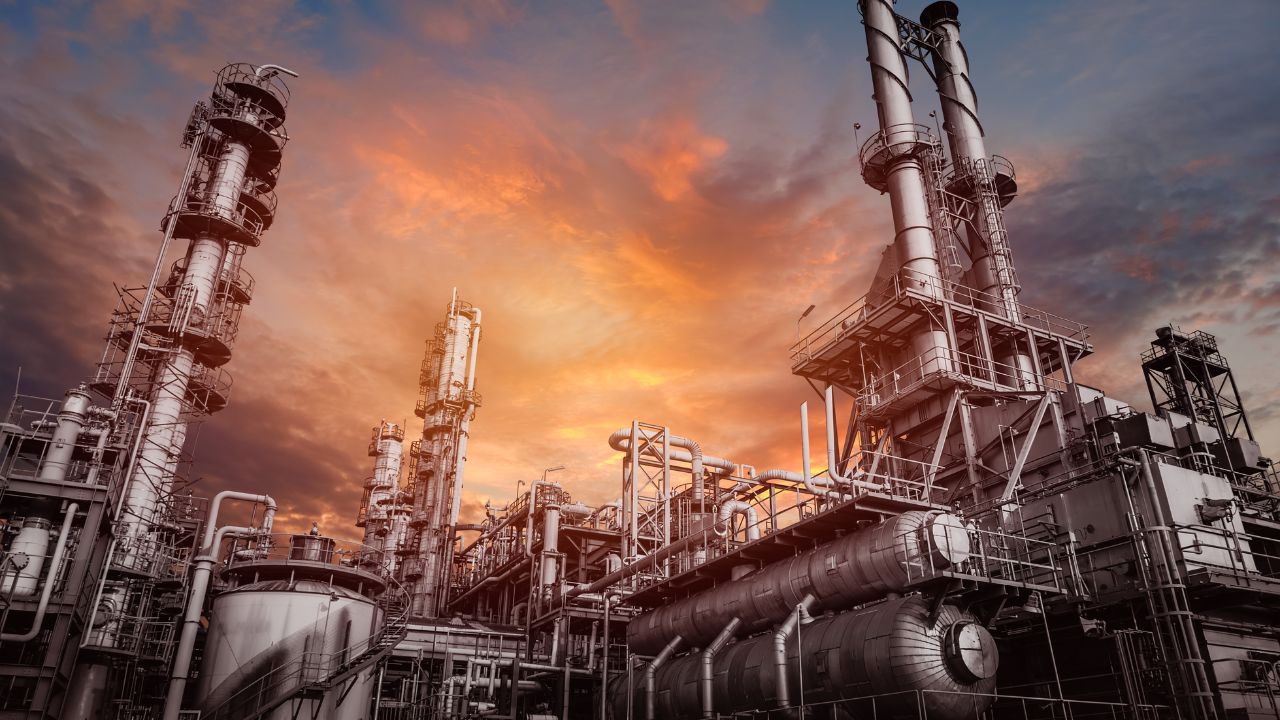
Digital Transformation in Perimeter Protection Systems
Technology in industrial security encompasses much more than simply installing cameras. It is an integrated ecosystem where each component works in harmony to provide comprehensive protection. Understanding how a video surveillance system works is essential to evaluating which solutions are best suited to specific infrastructures. Modern perimeter security systems combine high-resolution video surveillance, advanced motion detection, intelligent video analytics, and real-time communications.
Mobile and autonomous surveillance solutions, such as state-of-the-art CCTV poles, represent a significant advancement in protecting remote areas and dispersed infrastructure. These systems offer 24/7 connectivity, energy autonomy through solar panels, and the ability to incorporate thermal cameras, specialized sensors, and integrated public address systems. For industrial security professionals, this means being able to protect hard-to-reach areas without the need for costly fixed infrastructure.
Essential Technological Components
The successful implementation of technology in industrial security requires understanding each element of the protection chain. Thermal imaging cameras represent a crucial advancement, enabling intrusion detection in low-visibility conditions, rain, dust, or fog. Their ability to operate independently of external lighting makes them indispensable tools for critical infrastructure.
Current motion sensors go far beyond simple PIR detectors. They utilize microwave technology, computed visible light, and even behavioral pattern analysis to minimize false alarms. In industrial plants, this accuracy is vital to avoid unnecessary operational shutdowns.
Specialized wireless networks enable the secure transmission of data from remote locations to dedicated alarm receiving centers. This communications infrastructure ensures that alerts are transmitted without reliance on external telephone operators. In ATEX environments, where explosiveness is a critical regulatory consideration, the network technology selection must comply with specific regulations, such as those governing equipment for potentially explosive atmospheres.
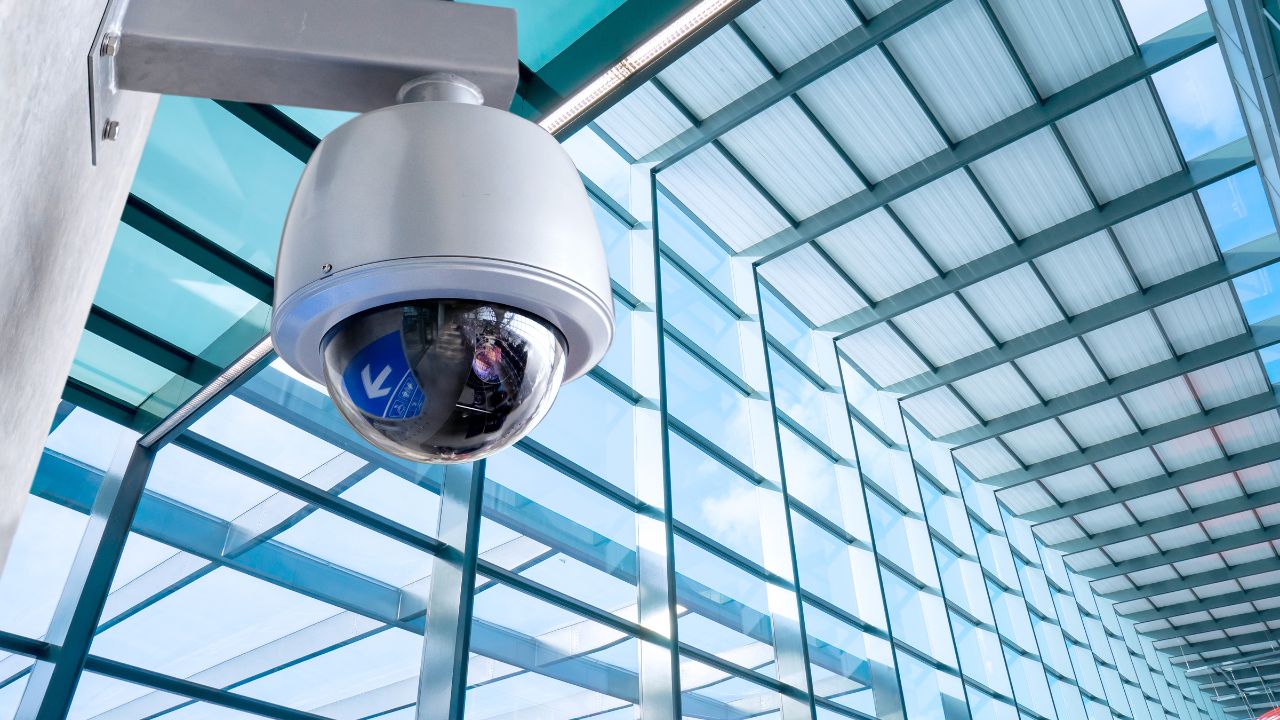
Artificial Intelligence and Advanced Video Analytics
A transformative element in modern industrial security is the integration of artificial intelligence. Advances in AI for security cameras have enabled analytical systems that can identify anomalous behavior, differentiating between authorized movements and potential threats. This capability significantly reduces incident response time.
Computational video analytics allows for automatic perimeter crossing detection, identification of abandoned objects, license plate recognition, and crowd analysis. For solar farms, industrial plants, and large infrastructures, this technology provides substantial operational advantages by automating the surveillance of large areas.
Systems and Communications Integration
Effective industrial security requires all components to work as a cohesive system. SIP (Session Initiation Protocol) communications enable integration between alarm, public address, and telecommunications systems. A security professional can initiate two-way communication with field personnel, cameras can be directed to areas of interest, and alerts can be automatically transmitted to multiple receivers.
Security patrol monitoring has evolved from manual logs to electronic systems that confirm the presence of authorized personnel at specific locations at programmed intervals. This digitization provides irrefutable documentation of protocol compliance.
Adaptation to Specific Infrastructures
Different industrial environments have unique requirements. LNG plants, for example, require solutions that operate in extreme cold. Refineries need rigorous ATEX compliance. Wind and solar farms require monitoring of large areas with limited infrastructure. Construction sites demand transportable and rapidly deployable solutions.
The flexibility of modern technology allows for complete customization. Microsegur’s eGuard systems, for example, can incorporate standard or thermal cameras, vibration sensors, audible alarms, or even specialized equipment depending on the specific application.
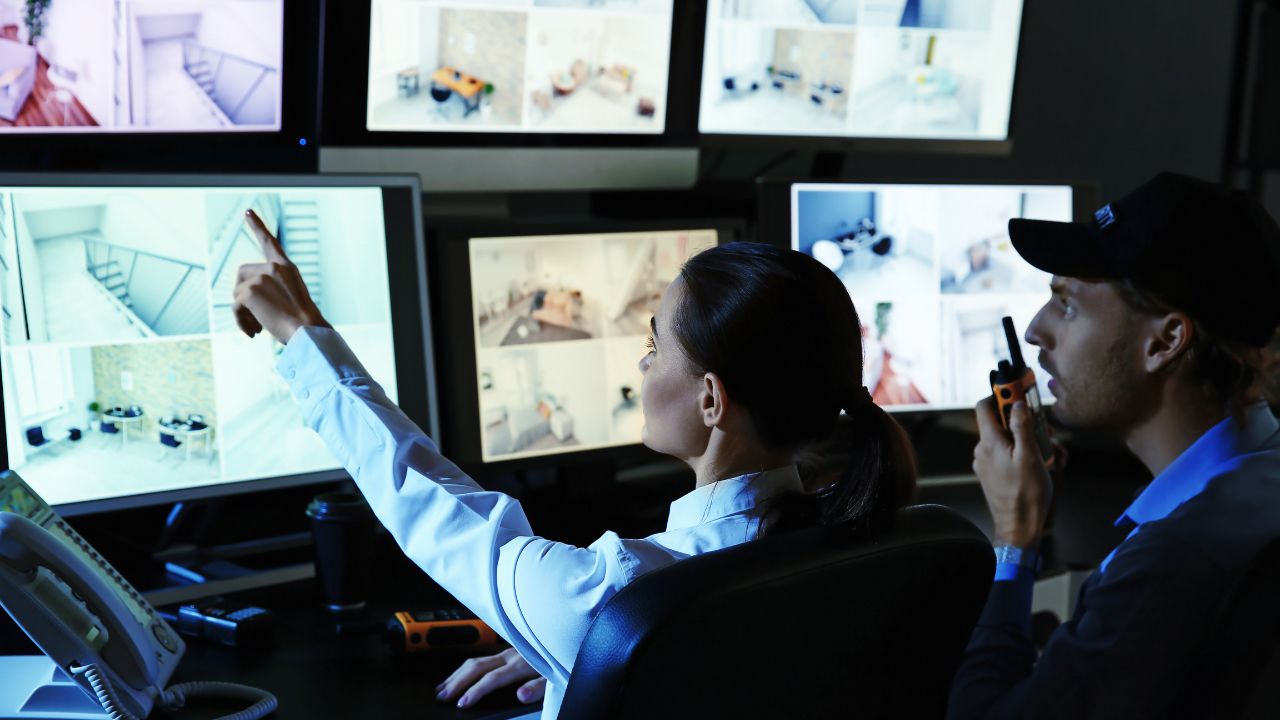
Regulatory compliance through technology
Royal Decree 244/2019 in Spain establishes specific requirements for private security systems. Contemporary technology facilitates automatic compliance with many requirements: continuous recording with timestamps, access logs, documented alerts, and complete event traceability.
For ATEX-certified installations, the technology available on the market allows for the design and installation of systems that fully comply with intrinsic safety regulations and mandatory CE marking.
Technology in industrial security has evolved from passive surveillance tools to intelligent, integrated, and adaptive systems that provide proactive protection for critical infrastructure. From sophisticated thermal cameras to AI-powered video analytics, the solutions available today offer capabilities unimaginable just a decade ago.
If your organization operates industrial infrastructure, energy parks, or facilities in remote locations, it’s time to assess how modern technology can improve your security posture. Industrial security specialists with experience implementing complex systems can guide you through customized assessments and design solutions tailored to your specific operational and regulatory requirements. Contact our experts for a consultation that will analyze in detail the best practices in industrial security for your infrastructure.